Olivia Beck · 4 September 2026
Vocational institutions across Silesia have integrated simulations based on colony behaviors into their curricula to develop more effective emergency evacuation models for industrial zones, and these efforts draw on established principles of swarm intelligence that researchers have applied in various safety contexts since the early 2000s.
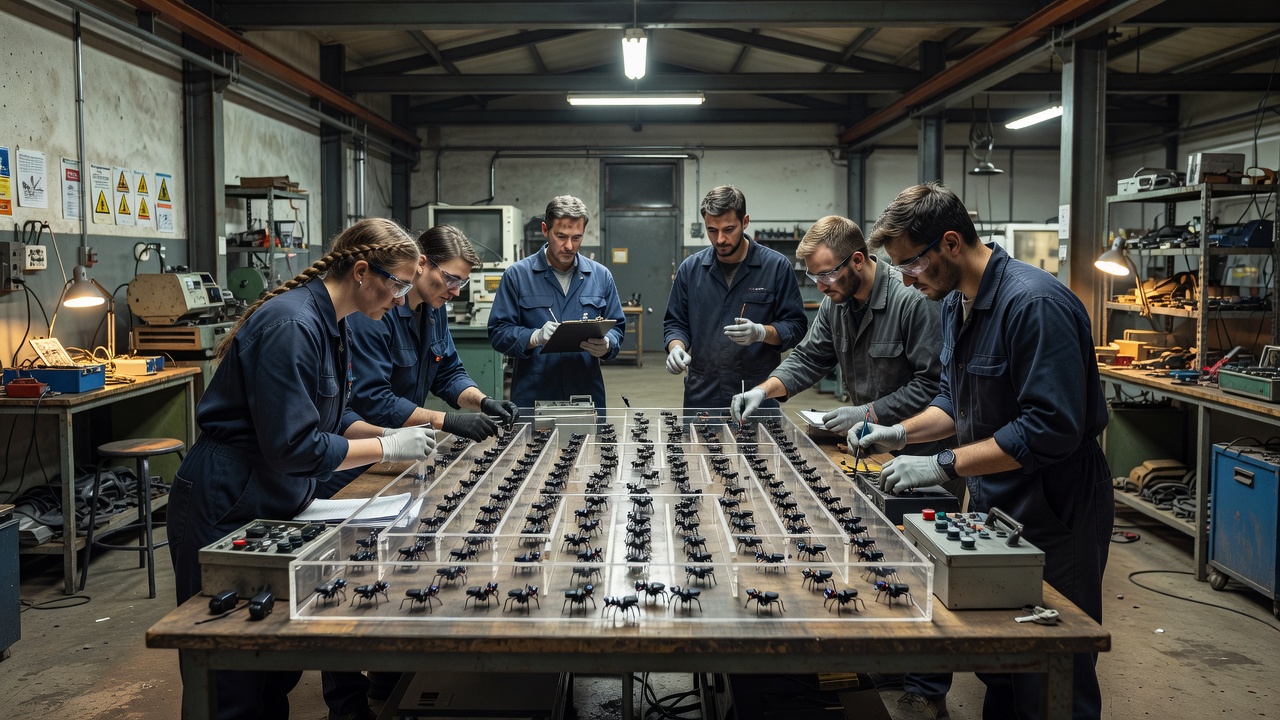
Colony behavior models replicate the decentralized decision-making processes observed in social insects, where individual agents follow simple rules that produce complex collective outcomes, and vocational programs in Silesia adapt these algorithms to map optimal exit routes during simulated industrial incidents involving chemical releases or structural failures. Students learn to code agent-based systems that prioritize pheromone-like trail reinforcement, allowing evacuation paths to emerge dynamically rather than relying on static floor plans, while data from past incidents in coal processing facilities and steel plants informs the initial parameters for these simulations.
Training modules emphasize how such models handle variables like crowd density and blocked corridors, and instructors present case studies where adjusted algorithms reduced projected evacuation times by measurable percentages according to internal program evaluations.
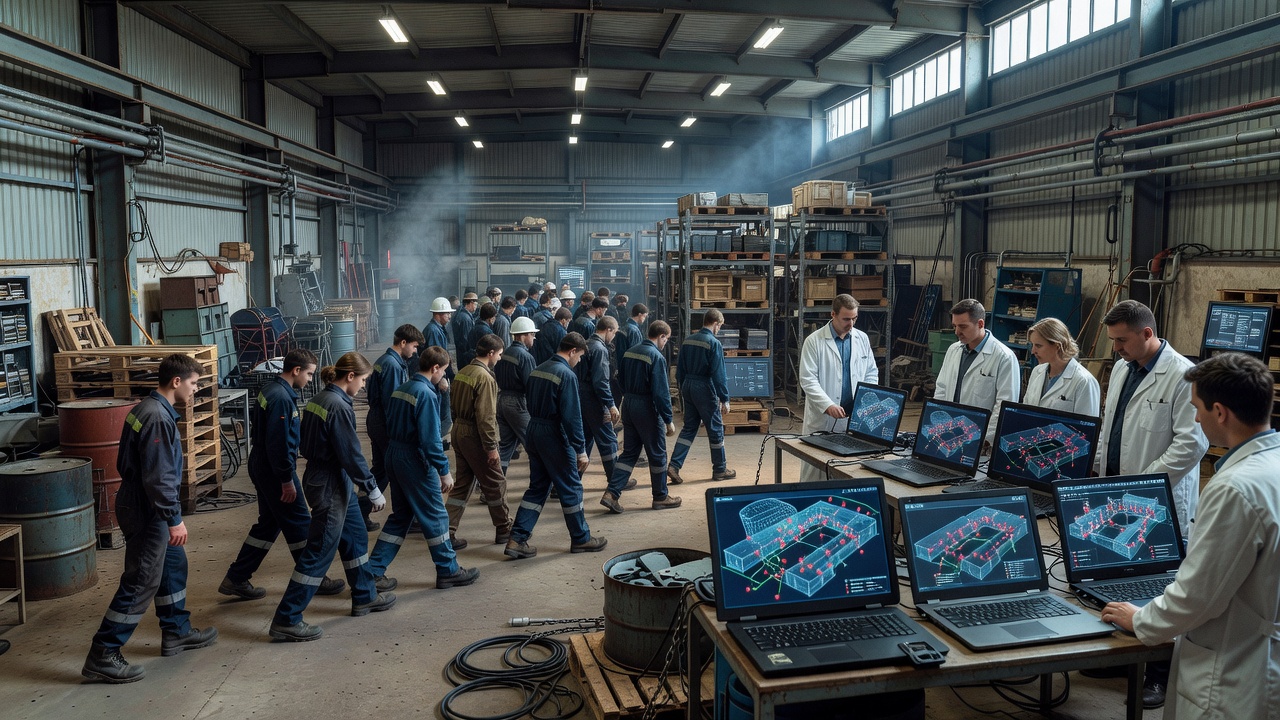
Technical schools in cities such as Katowice and Gliwice incorporate these simulation tools into engineering and safety technology courses, requiring students to build and test virtual environments that mirror local industrial layouts. Participants work with software platforms that process real sensor data from partner facilities, and the curriculum covers both the programming aspects and the regulatory compliance requirements set by Polish occupational safety standards. Graduates often contribute to ongoing model refinements at companies operating in the Upper Silesian Industrial District, where dense networks of manufacturing and energy production create specific evacuation challenges.
Programs also partner with regional technical universities to provide access to high-performance computing resources, enabling larger-scale runs that account for multi-building complexes and variable weather conditions affecting outdoor assembly points.
Industrial zones in Silesia have adopted outputs from these vocational simulations to update their emergency protocols, particularly in sectors handling hazardous materials where rapid, adaptive routing proves essential. Facility managers review generated scenarios that incorporate colony-derived optimization to identify bottlenecks, and several sites report adjustments to signage and assembly areas based on the resulting recommendations. The approach aligns with broader European efforts to enhance workplace resilience, as outlined in resources from the European Agency for Safety and Health at Work, which documents similar modeling techniques across member states.
Additional validation comes through collaboration with national research bodies that cross-reference simulation predictions against controlled drills, confirming consistency in key performance metrics such as total clearance time and individual exposure risk.
A coordinated expansion of these vocational programs begins in September 2026, when multiple Silesian institutions will launch an updated simulation framework that integrates live data feeds from industrial IoT networks. This phase includes joint exercises with local emergency services, allowing trainees to compare model outputs against observed participant movements in full-scale tests. Funding allocations from regional development funds support the acquisition of new visualization hardware, and participating schools plan to release anonymized datasets from the exercises to support further academic analysis.
Observers note that this timeline coincides with revisions to national industrial safety guidelines, creating opportunities for the refined models to influence updated compliance frameworks across the region.
Silesian vocational programs continue to advance the use of colony behavior simulations for evacuation modeling through structured training and industry partnerships, and the initiatives scheduled for September 2026 represent the next stage in this ongoing development. Data from these efforts contributes to a growing body of knowledge on adaptive safety systems in complex industrial environments.