Rafael Zimmermann · 2 September 2026
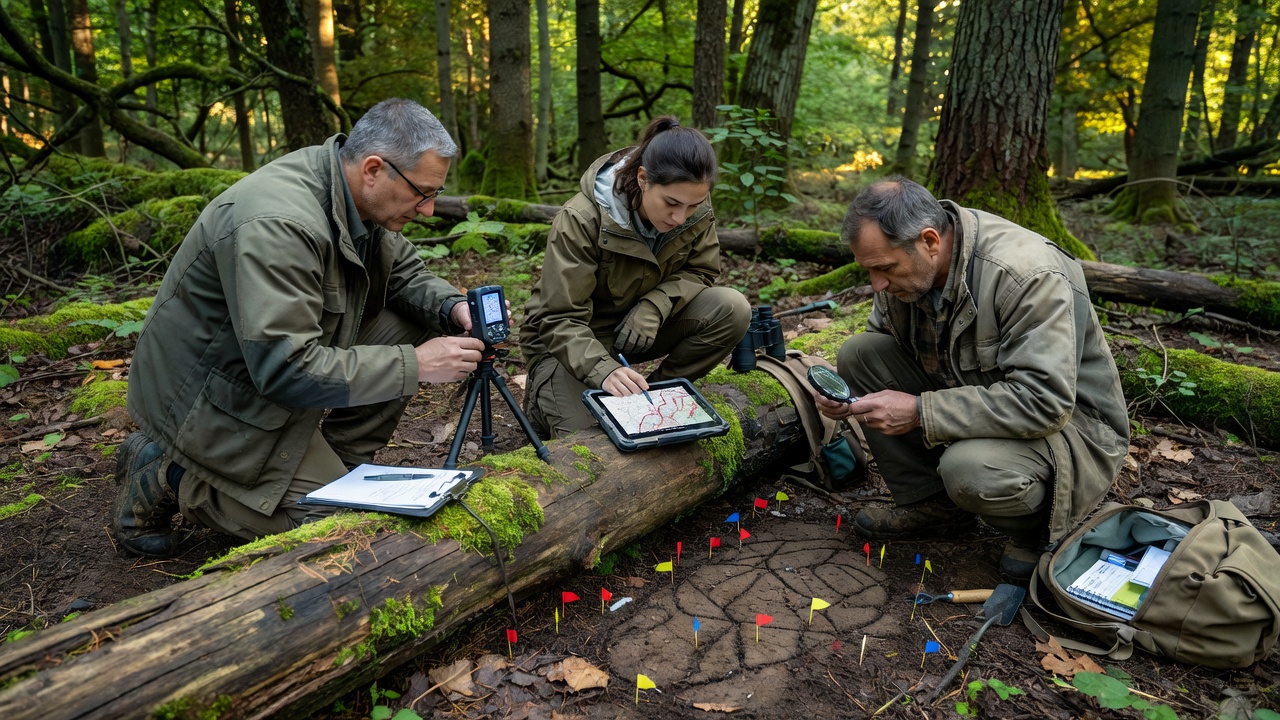
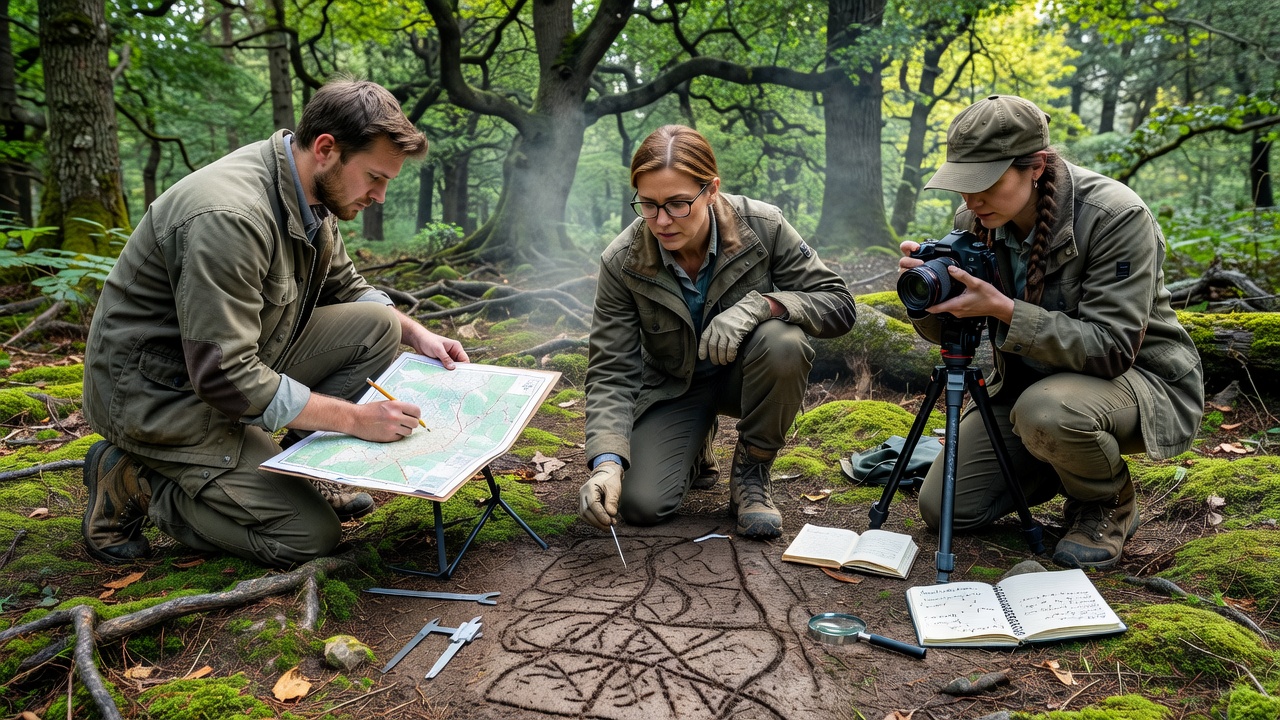
Polish researchers from the Institute of Ant Path Studies have completed an extensive mapping project of ant trail networks in the Bialowieza Forest. Their work identifies previously undocumented pathways used by multiple ant colonies for foraging and communication. The project lasted two years and involved field observations across different seasons. The team employed a combination of traditional tracking and modern technology including high-resolution cameras and GPS devices attached to individual ants. This allowed precise recording of trail lengths and branching points. Species studied include the red wood ant and black garden ant. Results indicate that trails adapt to obstacles such as tree roots and animal paths. Data analysis revealed that some networks span over 500 meters, connecting multiple nests. Environmental factors like humidity and temperature were correlated with trail activity levels. The researchers documented how ants clear vegetation to maintain efficient routes, demonstrating sophisticated collective behavior. Additional findings show interactions between different ant species sharing parts of the trail system without conflict in certain areas. This cooperation may enhance overall forest health by improving soil turnover and pest control.
Advanced Mapping Methods
These mapped networks provide valuable data for ecologists studying insect contributions to ecosystem services. Ant trails facilitate the spread of fungi and bacteria beneficial to plant growth. The research suggests that disruptions from logging or tourism could fragment these networks, affecting biodiversity. Recommendations include creating buffer zones around key trail areas. The study also opens avenues for bio-inspired algorithms in robotics, mimicking ant pathfinding. Continued monitoring is essential to track changes due to global warming. Partnerships with local conservation groups ensure the findings support protection efforts in Bialowieza, a UNESCO World Heritage site. Educational programs based on this research will be developed for schools to raise awareness about insect ecology. The mapping effort also involved citizen science volunteers who helped collect data on ant sightings. This expanded the scope of the study significantly. Conclusions point to the need for integrated management plans that consider microhabitats created by ants.
Broader Impacts on Forest Ecology
Overall the project advances knowledge of social insect behavior in natural habitats and supports conservation strategies for primeval woodlands.