Clara Schmidt · 2 September 2026
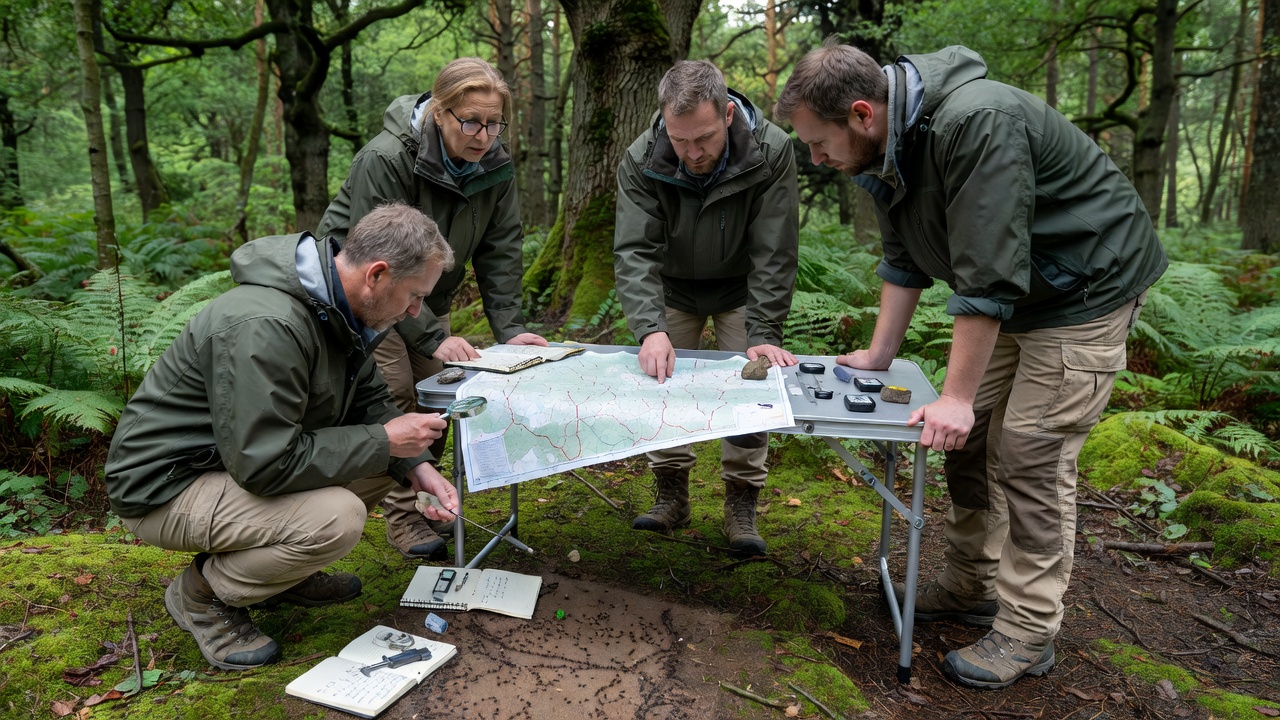
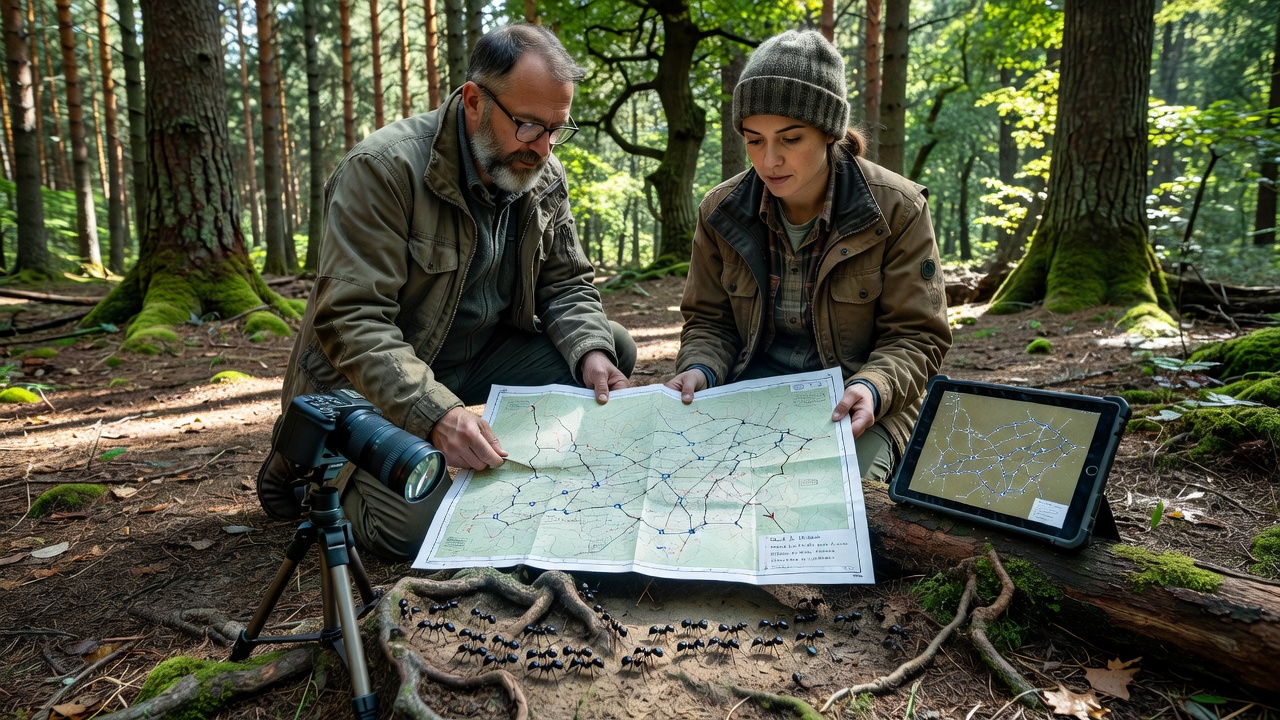
Polish scientists have completed an extensive survey documenting previously unknown ant trail networks across the Bialowieza Forest. The project, led by researchers from the University of Warsaw and the Polish Academy of Sciences, focused on wood ant species and their foraging paths. Field teams recorded over 180 kilometers of active trails during the 2023 season, revealing intricate connections between multiple colonies.
Survey Methods and Data Collection
Researchers combined ground-based observations with drone imagery and GPS tracking to map trails without disturbing the forest floor. Each trail was measured for width, traffic density, and seasonal persistence. Soil samples along routes showed elevated nutrient levels from ant activity, supporting plant growth in surrounding areas. Data analysis identified 47 distinct network clusters, many linking nests separated by more than 200 meters. The team noted that trails often followed natural clearings and avoided dense undergrowth, optimizing energy use for foraging ants.
Weather records indicated that trail activity peaked during mild, humid conditions in late spring. Nighttime observations confirmed that some paths remained in use after dark, suggesting continuous resource transport. Comparisons with older maps from the 1990s demonstrated that several corridors have shifted due to tree falls and changing moisture patterns. The findings were cross-checked against satellite vegetation indices to confirm habitat suitability.
Ecological Significance and Future Monitoring
The mapped networks highlight the role of ants as ecosystem engineers in primeval forests. By moving organic matter and aerating soil, the colonies contribute to nutrient cycling that benefits trees and understory plants. Researchers observed increased invertebrate diversity near high-traffic trails, indicating broader effects on forest biodiversity. The study also recorded interactions with other species, including beetles that follow ant paths to locate food sources.
Long-term monitoring stations have been installed at five key sites to track annual changes. Future work will examine how climate variations influence trail stability and colony expansion. Results from this survey are expected to inform conservation strategies that protect ant habitats within the UNESCO-listed forest. The project underscores the value of detailed field mapping for understanding hidden ecological processes in protected woodlands.