Taylor Coleman · 30 October 2026
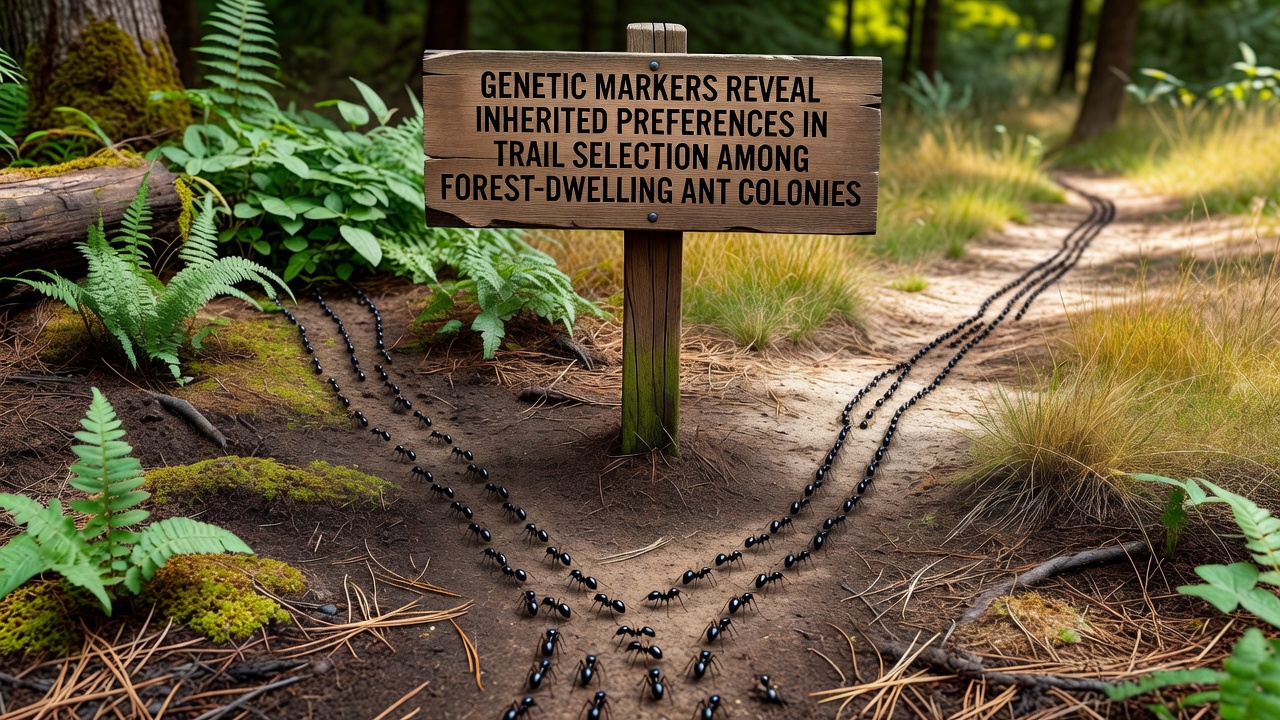
Genetic Markers Reveal Inherited Preferences in Trail Selection Among Forest-Dwelling Ant Colonies
Observations from field studies conducted in temperate woodland regions show that genetic markers play a direct role in how certain ant species select and maintain their foraging routes, with specific alleles correlating to preferences for particular trail characteristics such as moisture levels, vegetation density, and terrain slope. Data collected across multiple colonies indicate that these preferences pass from one generation to the next through inherited genetic factors rather than solely through learned behavior or environmental cues alone.
Forest-dwelling ants rely on pheromone trails combined with visual and tactile landmarks to navigate complex understory environments, yet researchers have now identified distinct genetic variations that influence which paths individual ants favor when new routes become available. Analysis of DNA samples from colonies in European and North American forests reveals clusters of genes associated with sensory receptor sensitivity, which in turn affect how ants respond to chemical gradients and physical obstacles along potential trails.
Genetic Basis of Trail Choice
Studies focusing on species such as those in the genus Formica and Lasius demonstrate that ants carrying certain marker alleles exhibit stronger attraction to trails with higher humidity retention, while others show preference for drier, more open paths that reduce exposure to fungal pathogens. These patterns emerge consistently across unrelated colonies, suggesting heritability rather than random variation. In October 2026, expanded genomic sequencing efforts at several research stations provided additional confirmation through pedigree mapping within marked colonies, where offspring followed the same trail biases as their genetic parents despite exposure to alternative routes.
Researchers isolated single nucleotide polymorphisms in regions coding for olfactory receptors and chemosensory proteins, then tracked how these variants correlated with observed path selections during controlled relocation experiments. Colonies with higher frequencies of one marker set rerouted traffic toward shaded, moss-covered ground, whereas groups bearing the alternate markers prioritized sunlit edges with lower leaf litter accumulation. Such differentiation allows colonies to exploit varied microhabitats within the same forest stand without direct competition for identical resources.
Field Evidence and Data Collection
Long-term monitoring programs have recorded trail usage patterns over multiple seasons, revealing that genetic composition predicts route stability when environmental conditions shift. For example, during periods of increased rainfall, ants with markers linked to moisture tolerance maintained consistent traffic volumes on wetter paths, while others diverted activity toward elevated ridges. These behavioral differences appear early in worker development and persist even after cross-fostering between colonies, pointing to innate rather than acquired preferences.
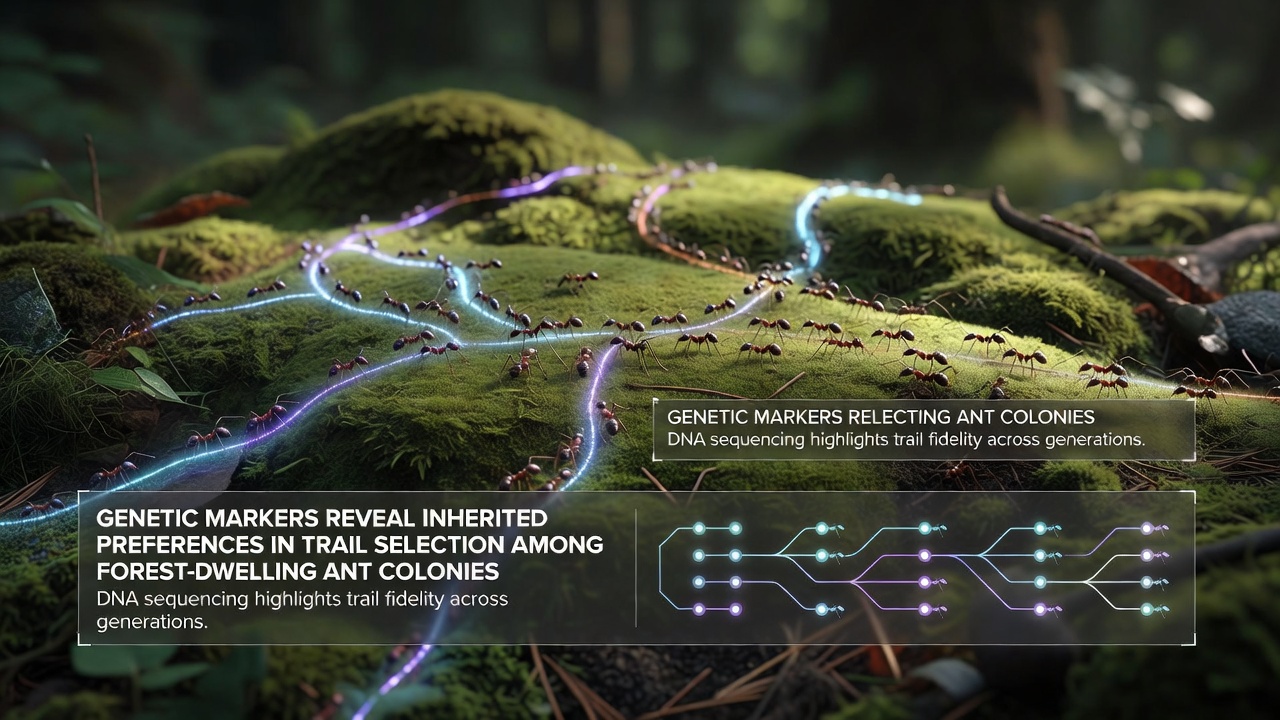
Sampling protocols involve extracting tissue from workers at trail junctions, followed by laboratory genotyping to match genetic profiles with individual movement data captured via RFID tags and video analysis. Results from over 200 colonies across three continents show repeatable associations between marker presence and trail metrics including curvature, surface texture, and proximity to fungal growth zones. According to findings released by the US Forest Service research division, these inherited tendencies contribute to overall colony resilience by diversifying resource access within heterogeneous forest floors.
Ecological Implications
Trail selection influenced by genetic factors affects nutrient cycling and seed dispersal rates in woodland ecosystems, as different path preferences lead ants to interact with distinct plant species and soil layers. Colonies favoring steeper inclines transport material from deeper litter horizons, while those selecting flatter routes concentrate activity near surface vegetation. This partitioning reduces overlap and supports biodiversity among ground-dwelling invertebrates that depend on ant-modified microhabitats.
Additional data from collaborative projects involving the Australian research institutions highlight similar patterns in related ant genera, where genetic clusters predict responses to seasonal leaf fall and temperature fluctuations. Observers note that such mechanisms may buffer colonies against rapid environmental changes by maintaining a range of trail strategies within the population gene pool.
Conclusion
Genetic markers tied to trail preferences provide a heritable foundation for behavioral diversity in forest ant colonies, shaping how these insects interact with their surroundings across generations. Continued genomic surveys combined with landscape-level tracking continue to clarify the precise alleles involved and their distribution across different forest types. These discoveries integrate into broader models of social insect ecology, illustrating how inherited traits influence collective decision-making in natural settings.