Clara Schmidt · 18 September 2026
Ant Pheromone Volatility Patterns Reveal Seasonal Adaptations in Foraging Strategies
Understanding Pheromone Chemistry in Ant Colonies
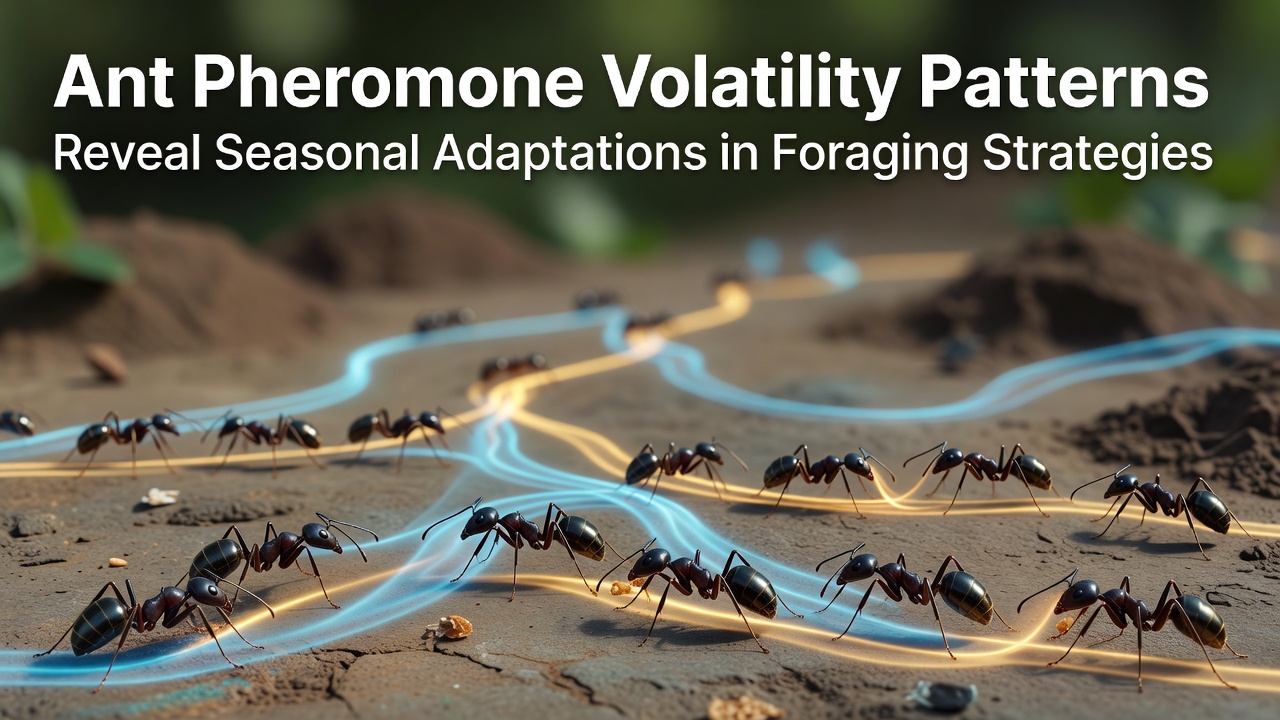
Ants deploy chemical signals known as pheromones to coordinate movement and resource location and these compounds display distinct volatility rates that respond directly to temperature shifts and humidity levels across different seasons. Research indicates that higher volatility in warmer months causes trails to dissipate faster which in turn prompts colonies to refresh markings more frequently while cooler periods extend trail persistence allowing longer lasting pathways. Data from multiple field sites show that species such as Lasius niger adjust deposition rates in response to these evaporation dynamics and this behavioral flexibility supports efficient foraging without unnecessary energy expenditure.
Seasonal Environmental Influences on Signal Persistence
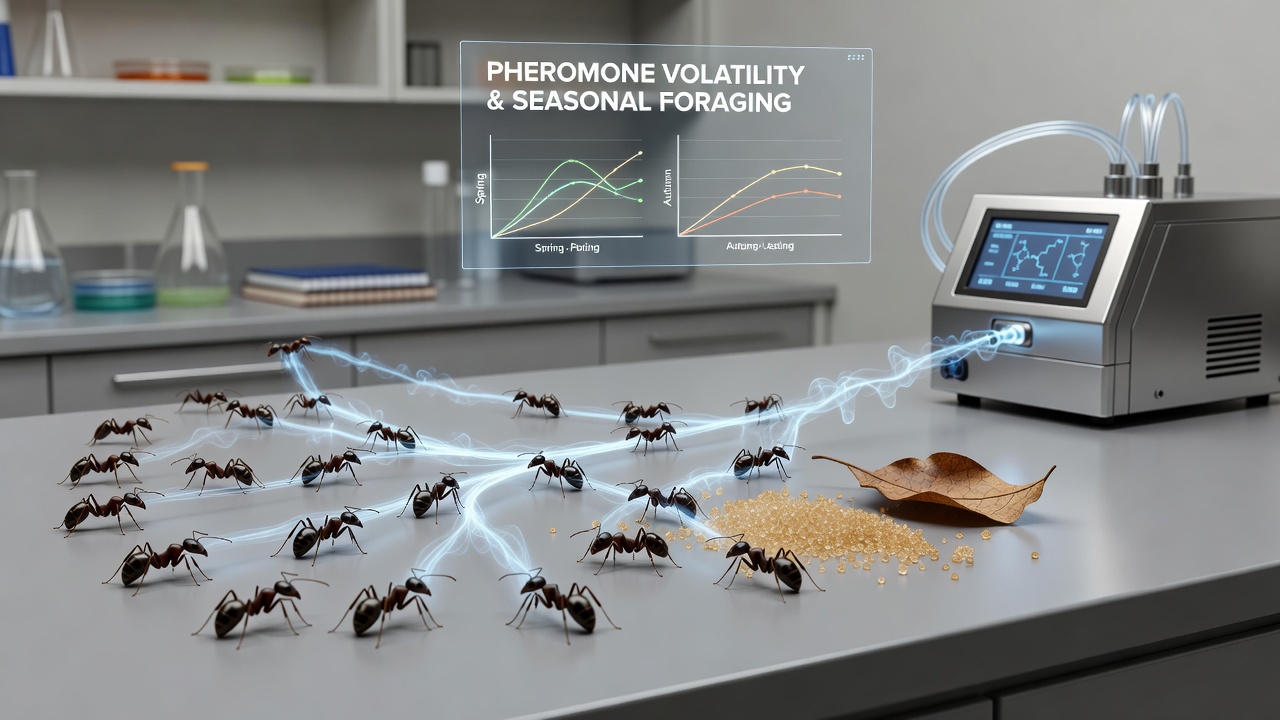
During spring months rising temperatures accelerate pheromone evaporation and ants compensate by increasing trail reinforcement along active routes whereas autumn cooling slows volatility and permits trails to remain detectable for extended durations. Studies conducted across temperate zones reveal that summer humidity further modulates these patterns by slowing molecular breakdown in some compounds and accelerating it in others leading to selective use of certain pheromone types depending on daily weather conditions. Observers note that winter dormancy reduces overall foraging activity yet residual trails from prior seasons guide initial spring explorations when colonies resume activity.
Adaptations in Foraging Behavior Across Seasons
Colonies demonstrate clear shifts in strategy as pheromone volatility changes and workers allocate more time to trail maintenance when signals fade quickly while relying on established paths during periods of slower evaporation. Evidence from long-term monitoring programs shows that these adaptations correlate with resource availability peaks and colonies optimize search radii accordingly to minimize overlap and maximize discovery rates. In one documented case researchers tracked Formica rufa populations and found that trail renewal frequency doubled during peak summer volatility compared to spring baselines and this adjustment coincided with higher food intake volumes.
Additional data collected from Mediterranean regions highlight how drought conditions intensify volatility effects and force ants to adopt shorter foraging loops that reduce exposure time yet maintain contact with reliable food sources. Those who've studied these patterns report that the same colonies revert to broader exploration once rainfall restores moderate evaporation rates and this reversible flexibility underscores the role of chemical signaling as a dynamic regulatory mechanism rather than a fixed behavior.
Research Findings and Broader Ecological Context
Analyses published through academic channels including work supported by the National Science Foundation demonstrate measurable differences in pheromone half-life between seasons and these measurements help explain why certain ant species thrive in variable climates while others remain restricted to stable environments. National Science Foundation reports on insect chemical ecology provide supporting datasets that link volatility metrics directly to observed changes in colony expansion rates. Australian research groups at CSIRO have contributed parallel observations from arid zones where extreme temperature swings produce even more pronounced adaptations in trail chemistry and foraging timing.
September 2026 marks the scheduled release of an expanded dataset from ongoing international monitoring efforts and preliminary summaries indicate continued confirmation of seasonal volatility thresholds that trigger behavioral switches in multiple genera. These findings integrate with existing models of social insect communication and offer refined parameters for predicting how environmental change might alter ant-mediated ecosystem processes such as seed dispersal and soil aeration.
Conclusion
Patterns of pheromone volatility supply ants with an environmental feedback loop that shapes seasonal foraging efficiency and colony success. Data gathered from diverse habitats continue to map the precise chemical and behavioral responses that allow these insects to maintain coordination despite fluctuating conditions. Ongoing studies will likely expand understanding of how these mechanisms operate at population scales and their contributions to broader ecological stability.